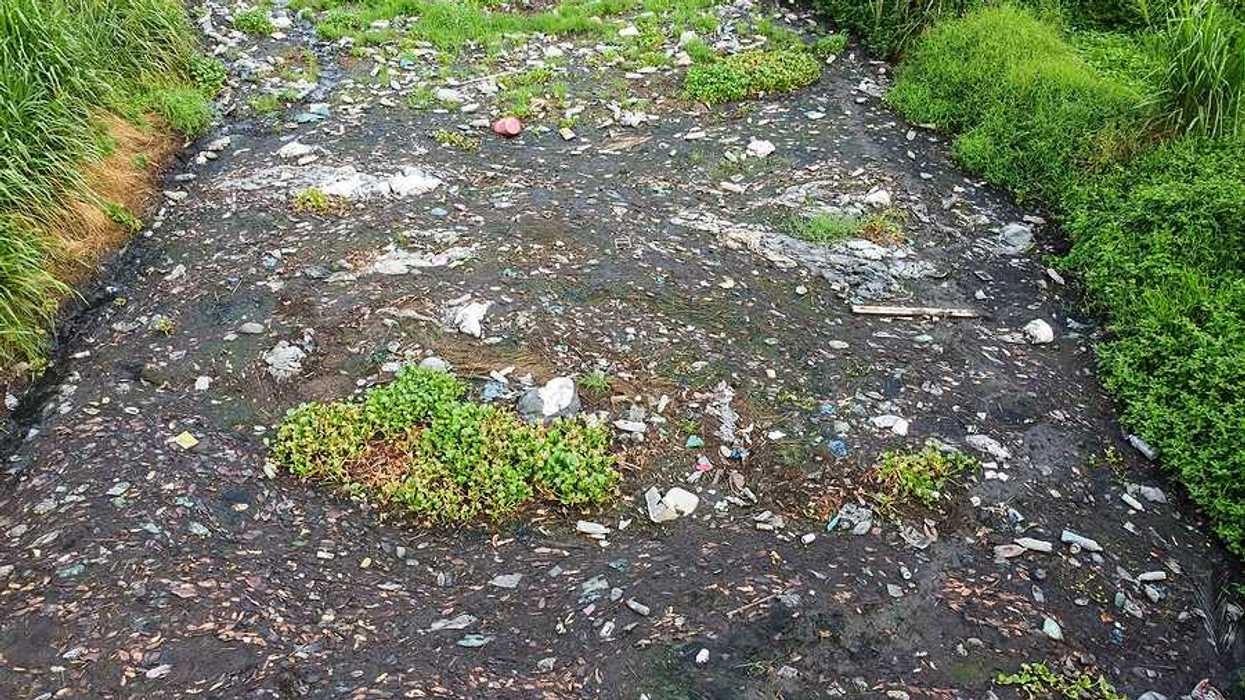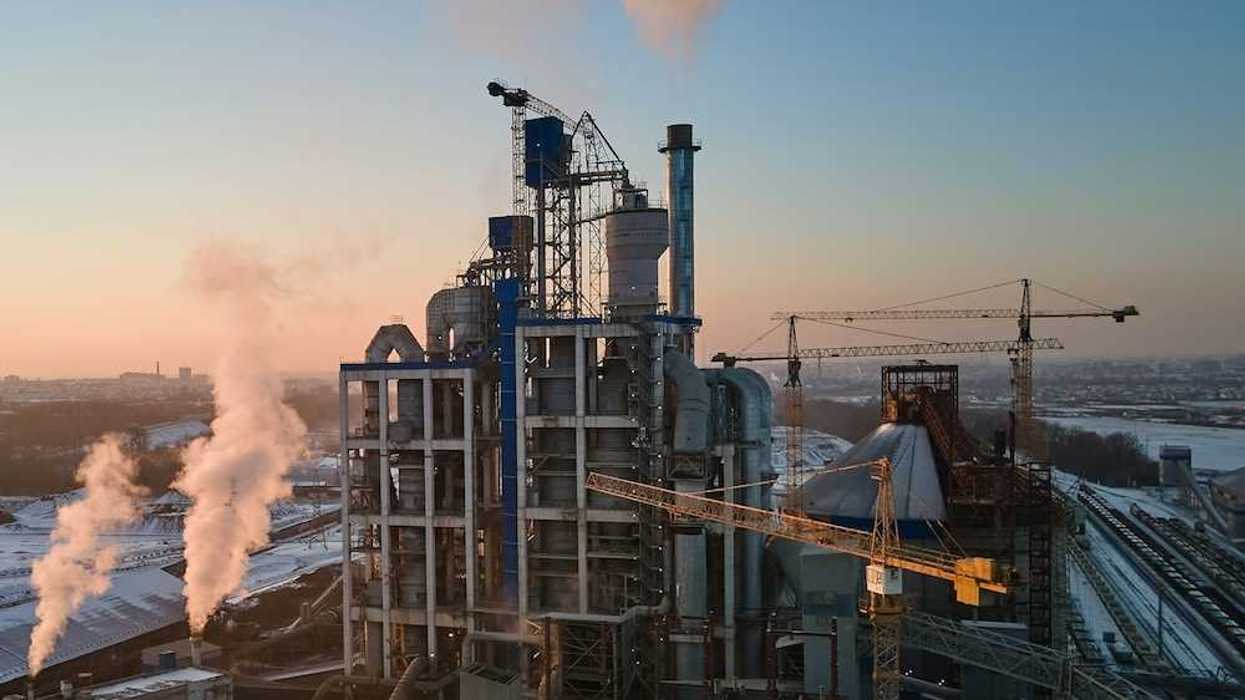
A decades-old chemical site in Wyandotte, Michigan is leaking mercury, PFAS, and other contaminants into the Detroit River, and regulators say the company responsible is violating a federal court order intended to stop it.
Keith Matheny reports for Detroit Free Press.
In short:
- Groundwater beneath BASF’s Wyandotte facility is discharging pollutants — including mercury at thousands of times legal limits — into the Detroit River at up to 60 gallons per minute.
- State regulators say BASF is violating a 1986 consent decree requiring it to prevent this flow, but the company disputes the interpretation and insists it is in compliance.
- A full cleanup plan involving a 1.7-mile underground barrier and large-scale storage tanks won’t begin construction until 2027, leaving years of continued pollution.
Key quote:
“For whatever reason, BASF ... just decided that the city of Wyandotte isn't of enough concern to stop discharging illegally while they do the long-term, elegant engineering solution.”
— Carrie La Seur, legal director of For Love of Water (FLOW)
Why this matters:
The Detroit River, a source of drinking water and a vital ecological artery, continues to absorb toxic discharges from legacy industrial sites — a pattern repeated across the Great Lakes region. In this case, mercury and PFAS are seeping into the river from groundwater beneath the BASF Wyandotte plant, threatening aquatic life and raising alarms for public health. Mercury is a potent neurotoxin that can impair memory, vision, and motor skills, particularly in children and fetuses. PFAS, known as "forever chemicals" for their persistence in the environment, have been linked to cancer, immune dysfunction, and reproductive harm. While Wyandotte’s water supply has so far tested clean, the proximity of its intake pipe underscores the risk of future contamination.
Learn more: Michigan pushes BASF to stop toxic groundwater from reaching Detroit River