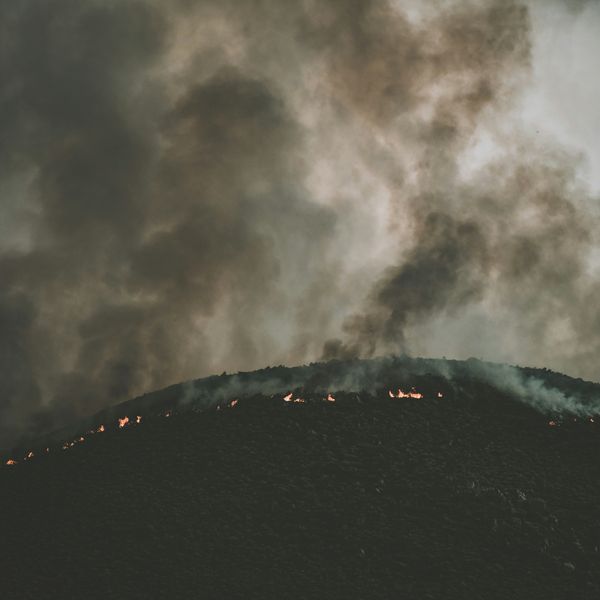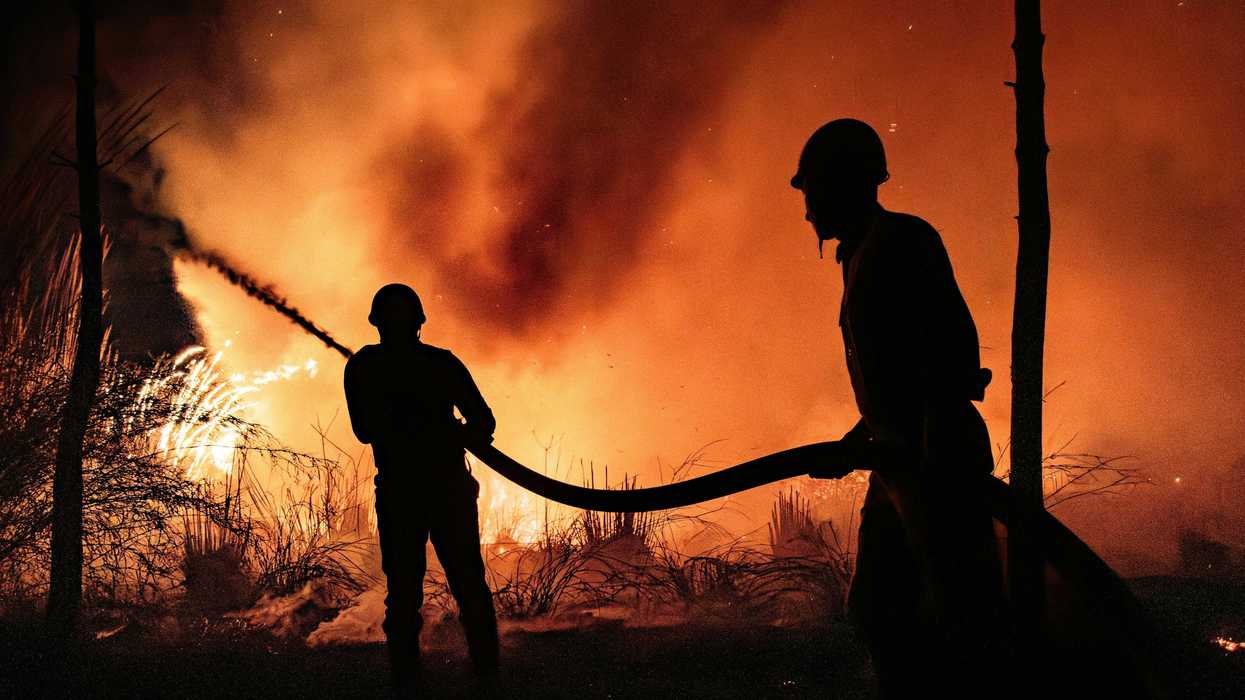

In a first-of-its-kind study published in Environmental Science and Technology, researchers found that mothers who were exposed to wildlife smoke during the third trimester of pregnancy were more likely to have children diagnosed with autism by age 5.
In short:
- More frequent exposure to wildlife smoke during pregnancy was associated with a higher risk of autism in children.
- The study analyzed more than 200,000 mother-child pairs in Southern California between 2006 to 2014; nearly 60% of them were exposed to wildfire smoke for more than five days during pregnancy.
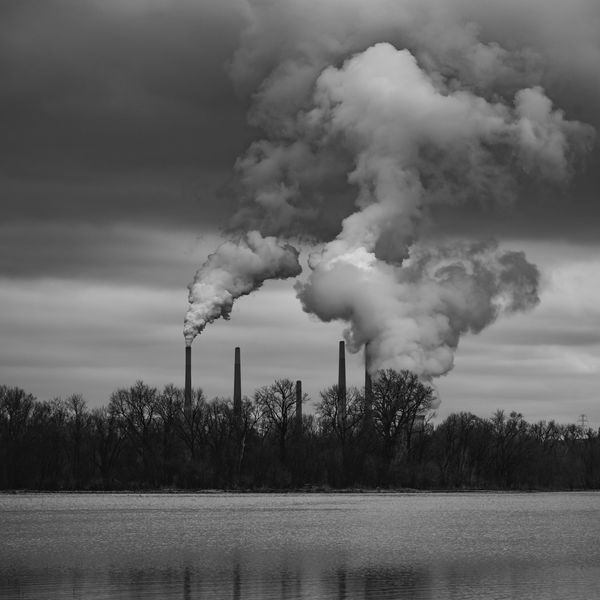
- The authors also found that prenatal exposure to particulate matter air pollution from a variety of sources — not just wildfires — is associated with an increased risk of autism in children.
Key quote:
“As climate change increases the frequency and intensity of wildfires in many parts of the world, understanding their relationship with autism is important to being able to develop preventive policy and interventions that will protect pregnant women and their children.”
- Study co-author Mostafijur Rahman, via Tulane University’s accompanying press release
Why this matters:
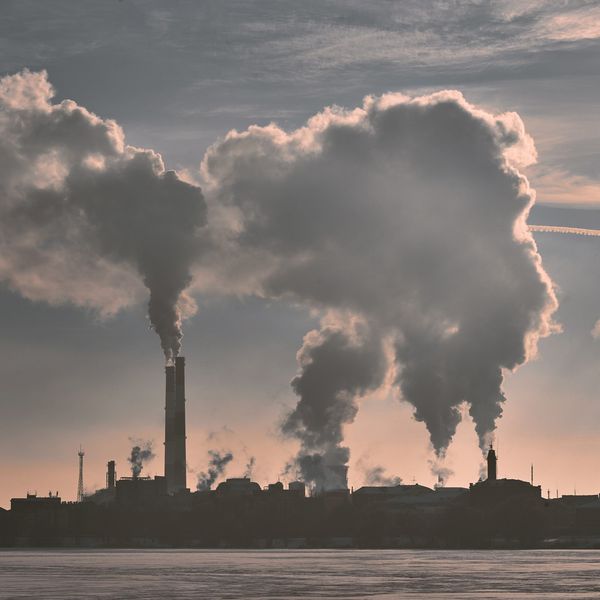
As climate change continues to impact global weather patterns, wildfires have become increasingly intense and frequent. Their impact on air pollution is significant — in California, wildfires account for over 70% of the fine particulate matter exposure on days with poor air quality. Environmental hazards that affect the health of pregnant people and their children can have long-term and severe outcomes. The authors of this study underscore the need for policies that protect vulnerable populations from air pollution and reduce the inequality in its health impacts.
Related EHN coverage:
- Wildfires and heat waves linked to an increased risk of preterm birth
- Wildfire smoke linked to an increased risk for dementia
- Op-ed: How climate change harms pregnant people and their babies
More resources:
- Centers for Disease Control and Prevention: Wildfire smoke and pregnancy
- Health and Environment Alliance (HEAL): Resources on Air Quality
- Toxic chemicals in everyday products may help explain rising rates of autism ›
- Autism and phthalates: Exposure in womb linked to autistic traits in boys ›
- Yale Study: Wireless radiation increased the expression of autism-related genes in laboratory models ›
- A mother's exposure to pesticides during pregnancy may raise children's autism risk ›