Plants and wildlife near Holloman Lake in New Mexico show some of the highest PFAS contamination levels ever recorded, prompting health officials to warn hunters about potential exposure.
Danielle Prokop reports for Source New Mexico.
In short:
- Environmental officials found extreme PFAS contamination in plants and animals near Holloman Lake, with a kangaroo rat showing the highest recorded levels in a wild animal worldwide.
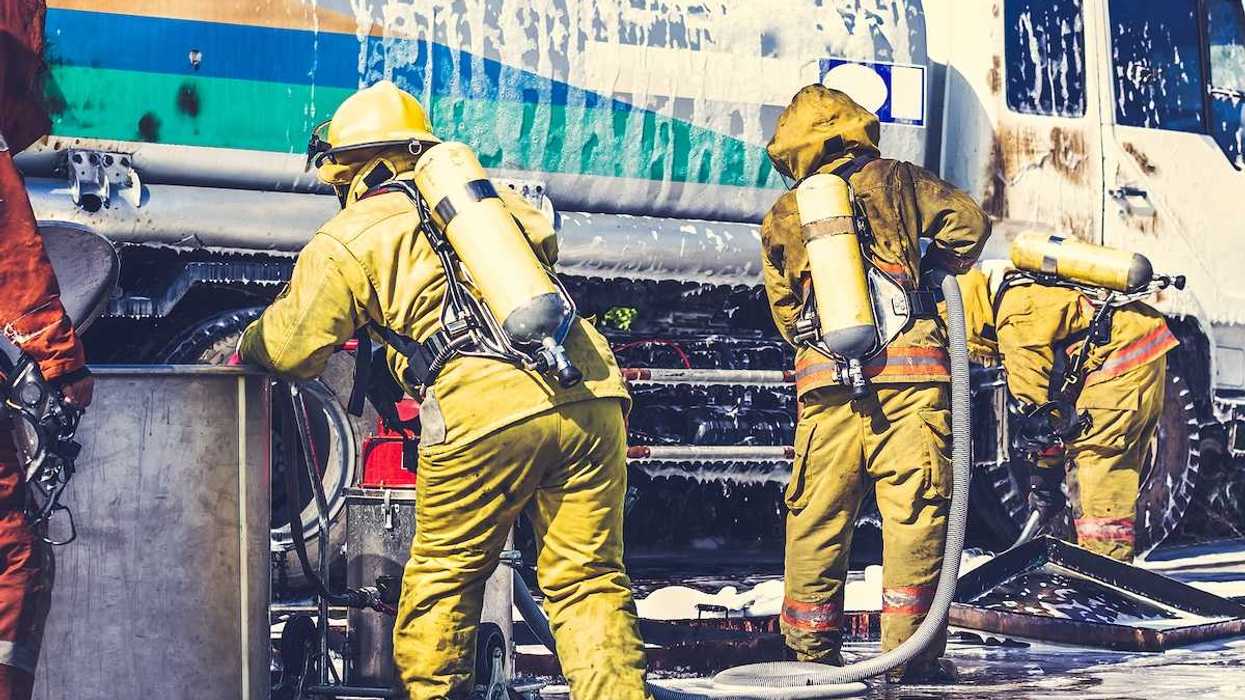
- The contamination is linked to decades of firefighting foam use at Holloman Air Force Base, which has led to lawsuits between New Mexico and the U.S. military over cleanup responsibilities.
- Health officials advise hunters who consumed waterfowl from the area between 2010 and 2024 to consult their doctors due to PFAS exposure risks.
Key quote:
“The levels of PFAS contamination in Holloman Lake are deeply concerning, particularly for hunters who may have consumed waterfowl from the area over the past decade.”
— Dr. Miranda Durham, New Mexico Department of Health medical director
Why this matters:
The health risks associated with PFAS exposure are increasingly clear. Scientific studies have linked them to cancers, immune system suppression, thyroid issues and reproductive disorders. Even small amounts in drinking water or food can pose serious long-term health risks, creating significant concern for communities living near contaminated sites. For communities caught in the crosshairs of this contamination, the road to cleaner water and healthier living conditions remains fraught with uncertainty.
Related: New Mexico fines Air Force base for delayed PFAS spill report