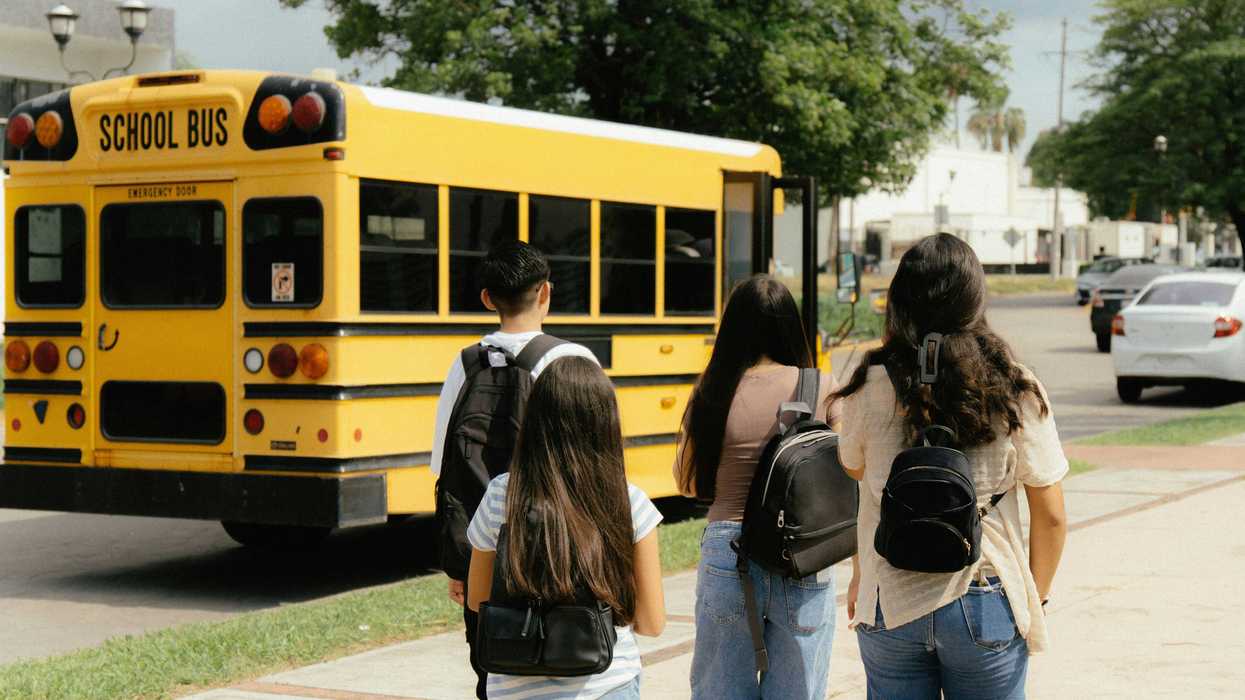

A nationwide analysis published in Proceedings of the National Academy of Sciences found that 44% of U.S. schools (pre-K through grade 12) are located within one mile of a known hazardous site.
In short:
- Nearly 10,000 schools - about 8% of U.S. schools - are located within a quarter mile of a hazardous site, defined here as Superfund sites, brownfields, and Toxics Release Inventory facilities identified by the Environmental Protection Agency (EPA).
- Native, Black, Hispanic, and low income students are more likely than white children to attend schools located near a hazardous site, although proximity was similar across both private and public schools.
- The authors note that their analysis does not include hazardous sites that aren’t listed in EPA datasets, or many other sources of pollution such as highways, wildfire smoke, or lead plumbing inside the schools themselves, meaning their findings likely underestimate the total number of schools in close proximity to environmental hazards.
Key quote:
“The location of schools relative to these hazards has direct implications for children’s development and learning.”
Why this matters:
Hazardous sites such as the ones analyzed in this study contain a wide range of toxic contaminants that are known to impact human health. Children are especially vulnerable to harm from environmental exposures because their bodies and brains are still developing. Even at a distance, airborne pollutants from these sites can enter classrooms via windows and ventilation systems. Because of this, the study authors emphasize that indoor air quality is an essential consideration in creating a safe and productive environment for children in schools.
Related EHN coverage:
- Portable air filters in daycares can reduce indoor pollution by 83%: Study
- Laptop use in classrooms increases children’s exposure to wireless radiation, study finds
More resources:
- Healthy Schools Network: Coalition for Healthier Schools Position Statement & Policy Recommendations
- Children’s Environmental Health Network: State Children’s Environmental Health Profiles
Source:
- Electric school buses could reshape transportation for kids ›
- A lasting legacy: DuPont, C8 contamination and the community of Parkersburg left to grapple with the consequences ›
- Coke plant pollution linked to “asthma epidemic” in Pittsburgh-area elementary school ›
- Extreme weather is shutting down schools worldwide ›