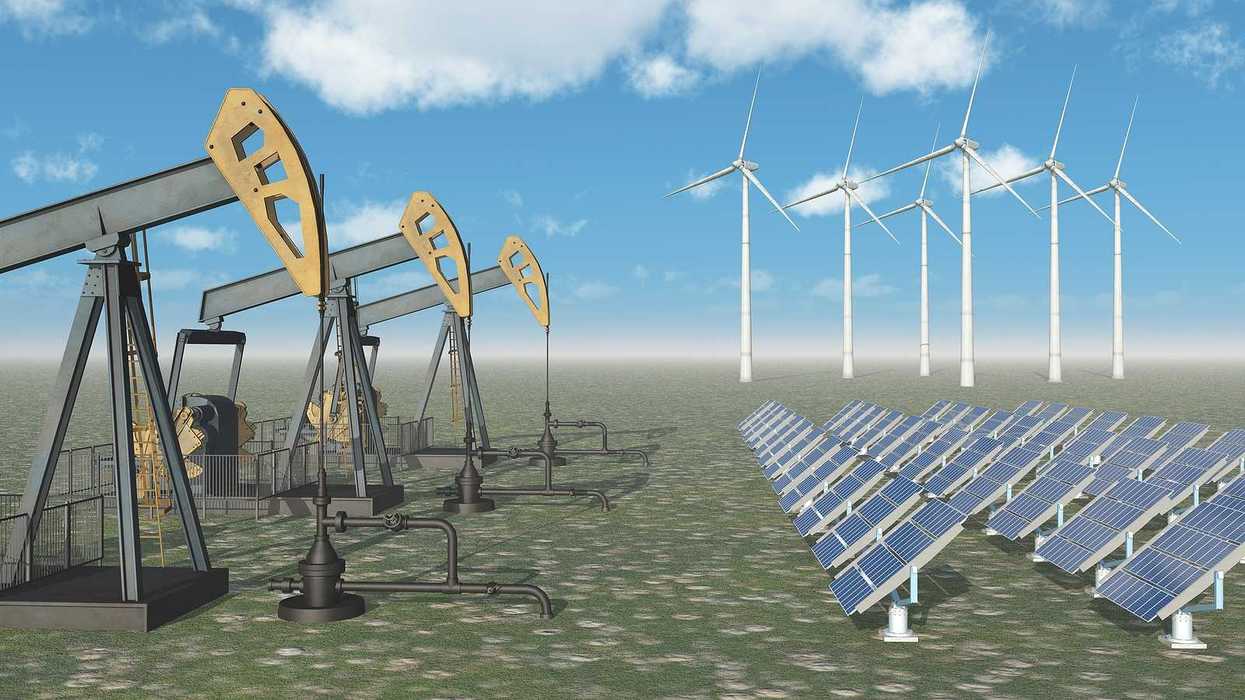
Solar energy's rise marks a historic shift in the nation's electricity capacity additions.
In short:
- For the first time since World War II, a renewable power source, solar energy, has led more than half of the U.S. energy capacity additions in 2023.
- Texas and California spearheaded a significant increase in utility-scale solar installations, contributing to the most robust growth in renewables since the Second World War.
- Eased supply chain issues have enabled the completion of previously delayed solar panel deliveries, propelling the industry's advancement.
Key quote:
"Solar costs continue to fall far below where we ever thought they would."
— Rob Stoner, director of the MIT Energy Initiative
Why this matters:
Solar energy shapes a sustainable future amidst rising environmental concerns. This article highlights the impact of renewable energy expansion on national infrastructure and the potential influence of policy changes on health outcomes and environmental sustainability.
A 2020 report found an 81% increase in K-12 schools using solar power over the last 5 years.