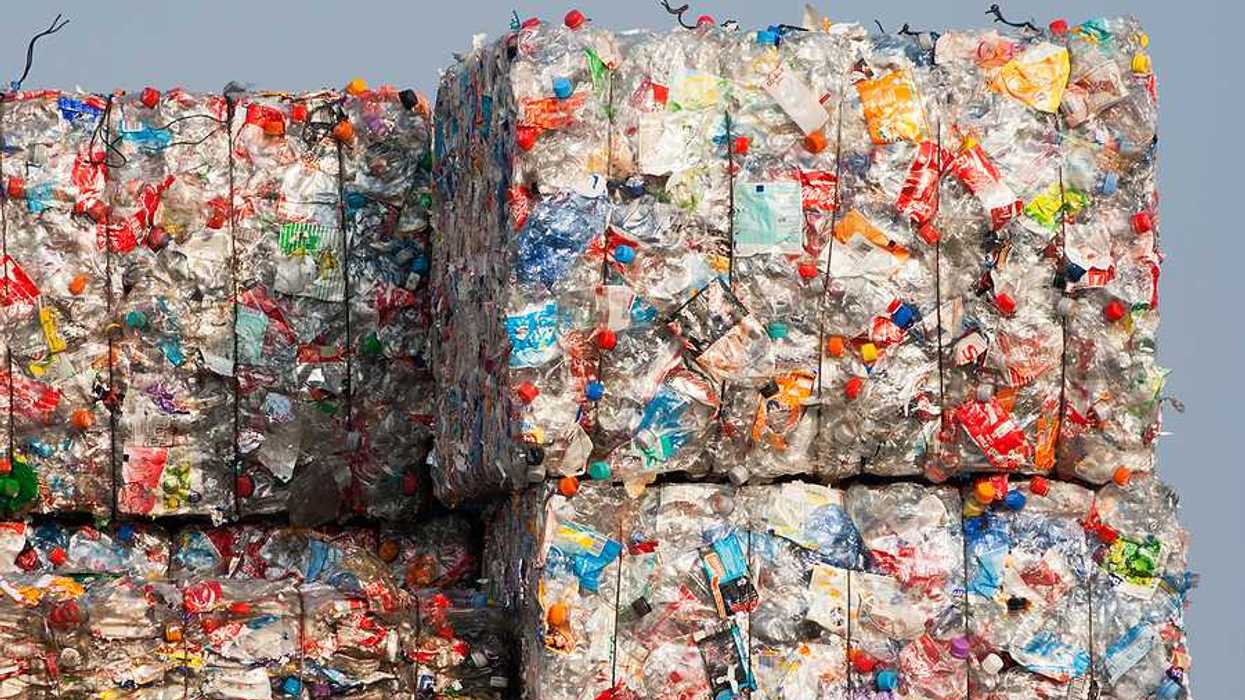
Microplastics have been found in human tissues, linking them to serious health risks, yet plastic production continues to surge.
Adrienne Matei reports for The Guardian.
In short:
- Researchers found microplastics in placental tissue, human arteries, testes, and semen, raising health concerns.
- Plastic production has doubled since 2000, with a potential for further health and environmental crises as waste degrades.
- Experts advocate for a global cap on plastic production, better regulation of harmful chemicals, and increased use of reusable packaging.
Key quote:
"My fear is that that level of concern does not yet exist today, and because of that, the plastics treaty might end up being a lot weaker than it could be.”
— Dr Philip Landrigan, anti-plastic advocate, physician and the director of the Program for Global Public Health and the Common Good at Boston College
Why this matters:
Microplastics are ubiquitous, found in the deepest oceans, the highest mountains, and now, within our own bodies. They enter our systems through the air we breathe, the food we eat, and the water we drink. Scientists have identified microplastics in lung, liver, spleen, and kidney tissues, raising red flags about potential long-term health impacts.