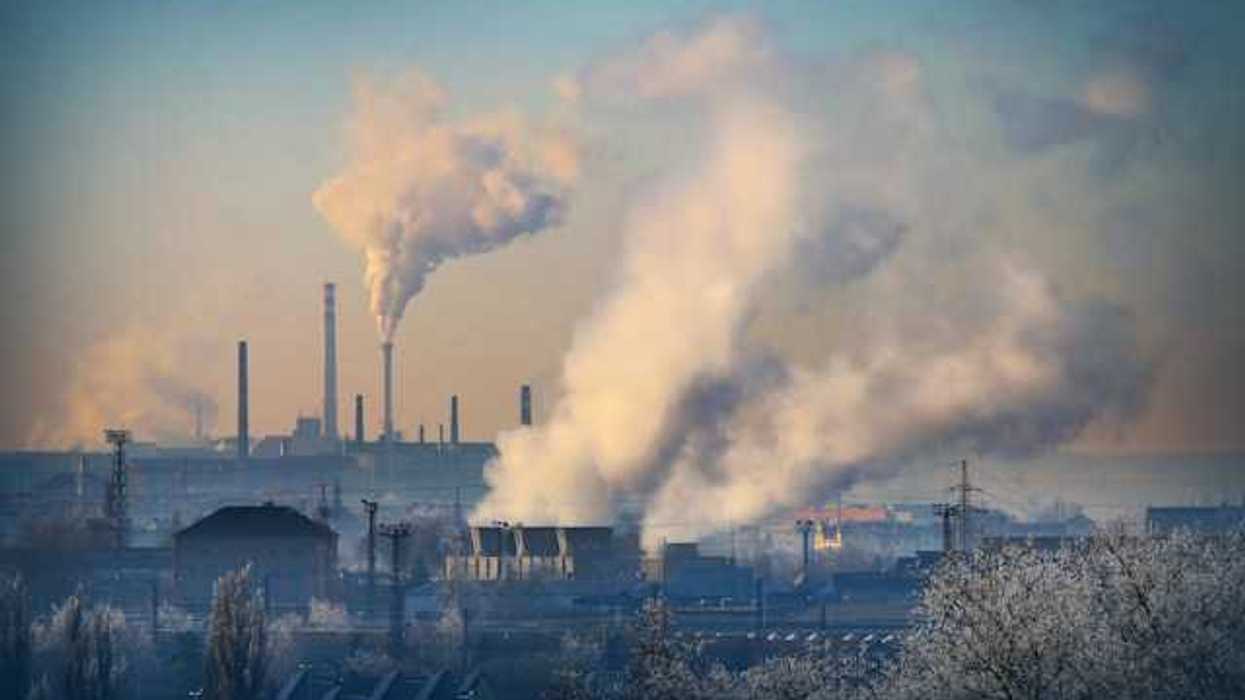
A deadly mix of coal smoke, extreme weather, and housing shortages has turned winter in Ulaanbaatar into a season of illness and loss for thousands of Mongolians.
Tracy McVeigh reports for The Guardian.
In short:
- More than 7,000 Mongolians are estimated to have died this winter from air pollution, with carbon monoxide poisoning alone killing over 800 people in the past seven years.
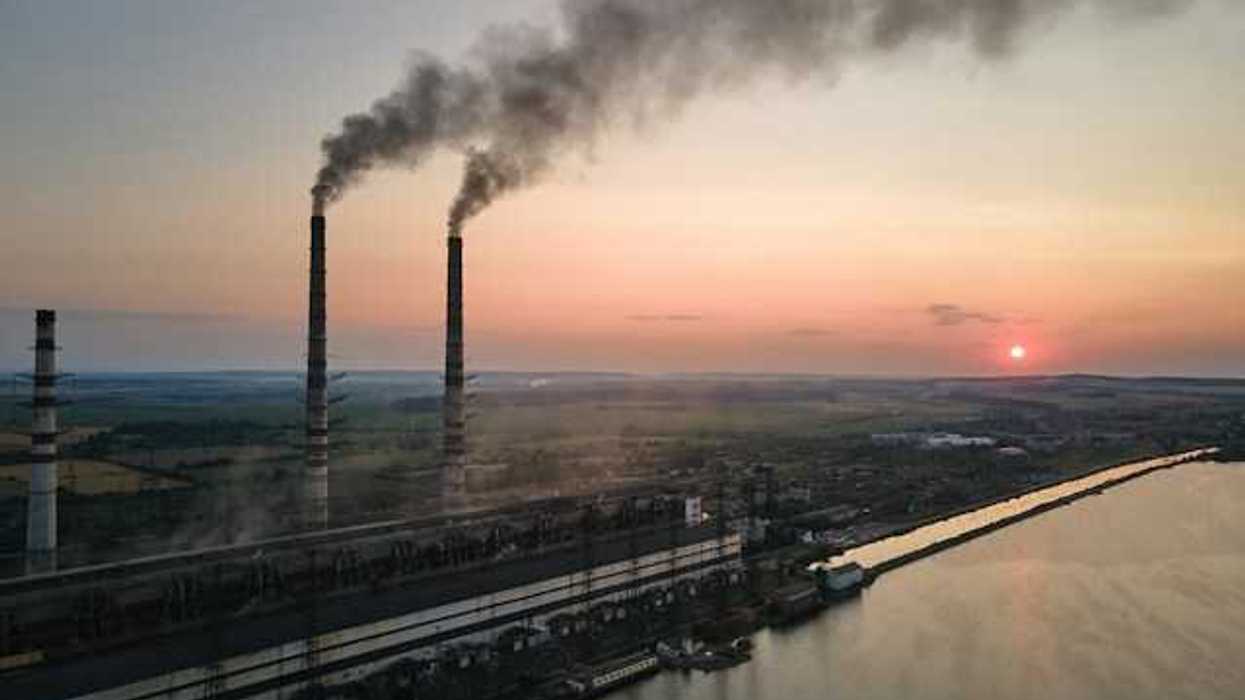
- Worsening climate extremes have driven nomadic families into Ulaanbaatar’s ger districts, where most homes lack insulation and burn coal for heat, pushing PM2.5 levels far above safe limits.
- Doctors report soaring rates of pneumonia, asthma, and premature births in children, while researchers are now linking coal pollution to liver cancer and declining birth weights.
Key quote:
“We can solve it easily, we just need a good heart. Don’t think about the money, think about the health. Everyone is breathing this air – the poor and the wealthy.”
— Dr Jigjidsuren Chinburen, MP and oncologist
Why this matters:
In Ulaanbaatar, Mongolia’s capital and coldest metropolis, the air is so thick with coal smoke during winter that residents often describe it as a fog that bites. The pollution crisis has roots in climate, poverty, and migration: As herders lose their livelihoods to harsher winters and summer droughts, many seek refuge in the city’s growing informal settlements of traditional tents, retrofitted with stoves that burn coal or raw biomass to keep families from freezing. As a result, a toxic cloud now regularly blankets the city, with particulate matter levels among the highest recorded anywhere on Earth.
Read more: Want more clean energy? Focus on people, not technology