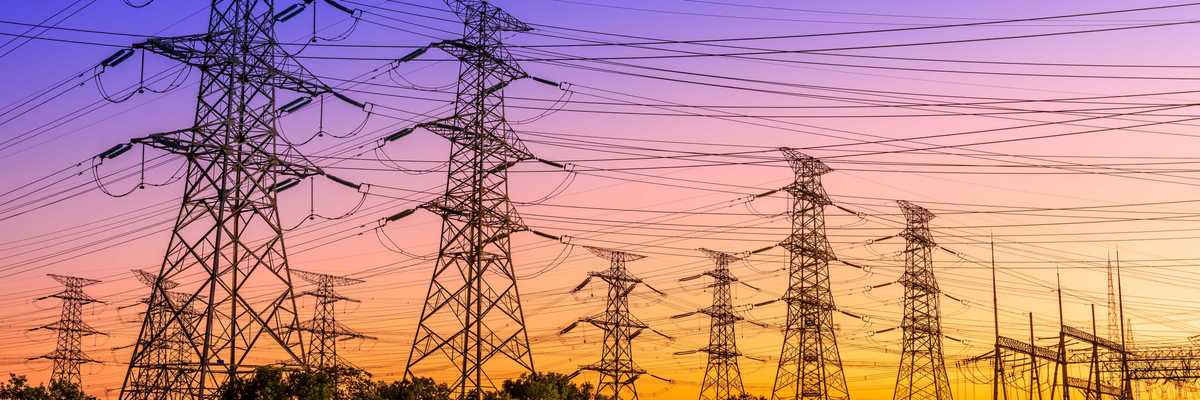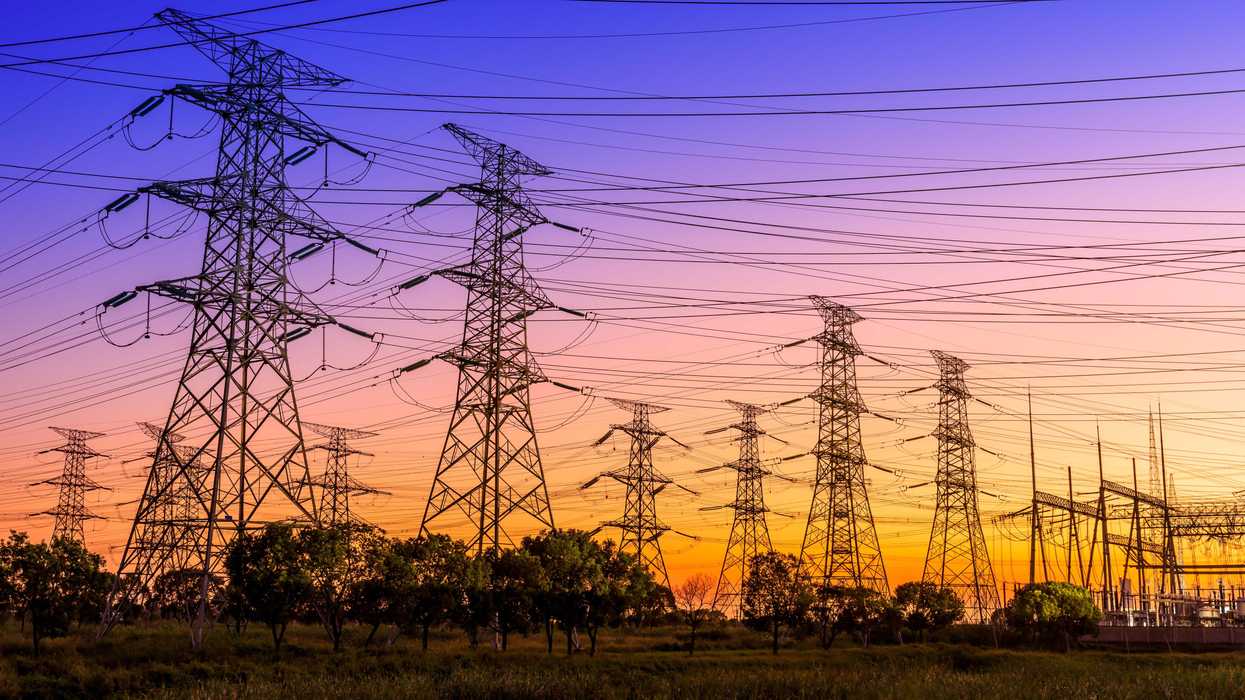

An 18-year nationwide cohort study of over 3.5 million adults in Switzerland published in Environment International by Nekane Sandoval-Diez et al. found an association between long-term residential exposure to the magnetic field EMF emitted by power lines and an increased risk of death from Alzheimer's disease and other forms of dementia.
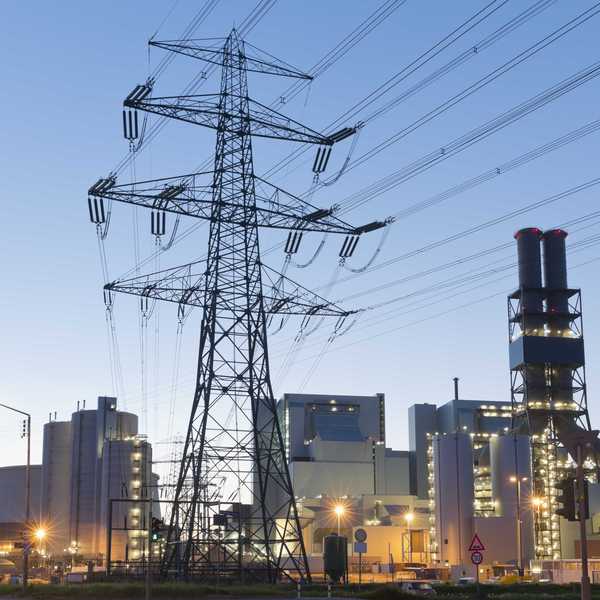
Power lines, substations and other electrical grid infrastructure emit extremely low frequency (ELF) magnetic fields, a type of non-ionizing electromagnetic field (EMF) radiation.
In short:
- An increased risk of Alzheimer's mortality was linked to long-term exposure to EMF radiation emitted by high-voltage power lines in residential areas.
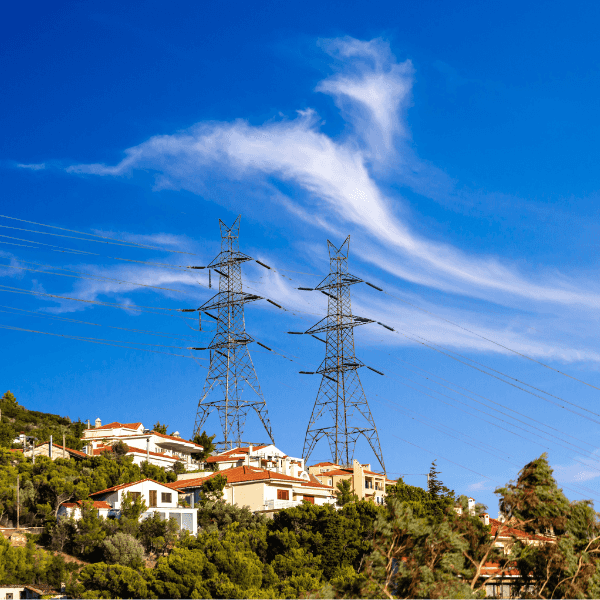
- Effects began at magnetic field levels of 0.5 mG (milligauss) with stronger associations observed in the 1–3 mG range, exposure levels commonly found in homes located very close to power lines.
- Smaller associations were found for EMF exposures from railway lines, but more research is needed.
- The findings align with earlier analyses of the Swiss National Cohort, as well as studies of workers showing higher dementia risk with elevated EMF exposure.
Key quote:
“In this large-scale, nationwide cohort study with nearly two decades of follow-up, we observed a positive association between long-term residential ELF-MF exposure from high voltage power lines and mortality from Alzheimeŕs disease and other types of dementia.”
Why this matters:
EMF exposure is rising, from increasing electronics in homes, workplaces, and schools to data center expansions requiring the construction of new power lines through communities. Despite this, the U.S. has no federal safety limits for magnetic field EMF exposure after EPA research was defunded in the 1990s.
Numerous scientists recommend minimizing exposure due to scientific research linking exposure to adverse health effects. The International Agency for Research on Cancer of the World Health Organization classified ELF magnetic fields as a “possible” human carcinogen in 2001, based largely on evidence linking residential exposure of 3 to 4 mG to childhood leukemia. More recent studies continue to show the association. Further, Kaiser Permanente studies report that prenatal magnetic field EMF exposure was associated with increased miscarriage risk, as well as obesity and asthma in children.
Because of the research on cancer risk, many countries have policies restricting the construction of homes and schools in areas where the magnetic fields are elevated. The Netherlands, for example, is buying up homes with elevated EMF exposure levels from nearby power lines and substations.
What you can do:
In the United States, policies should be implemented to minimize EMF exposure as a public health risk mitigation measure, in line with approaches taken in other countries.
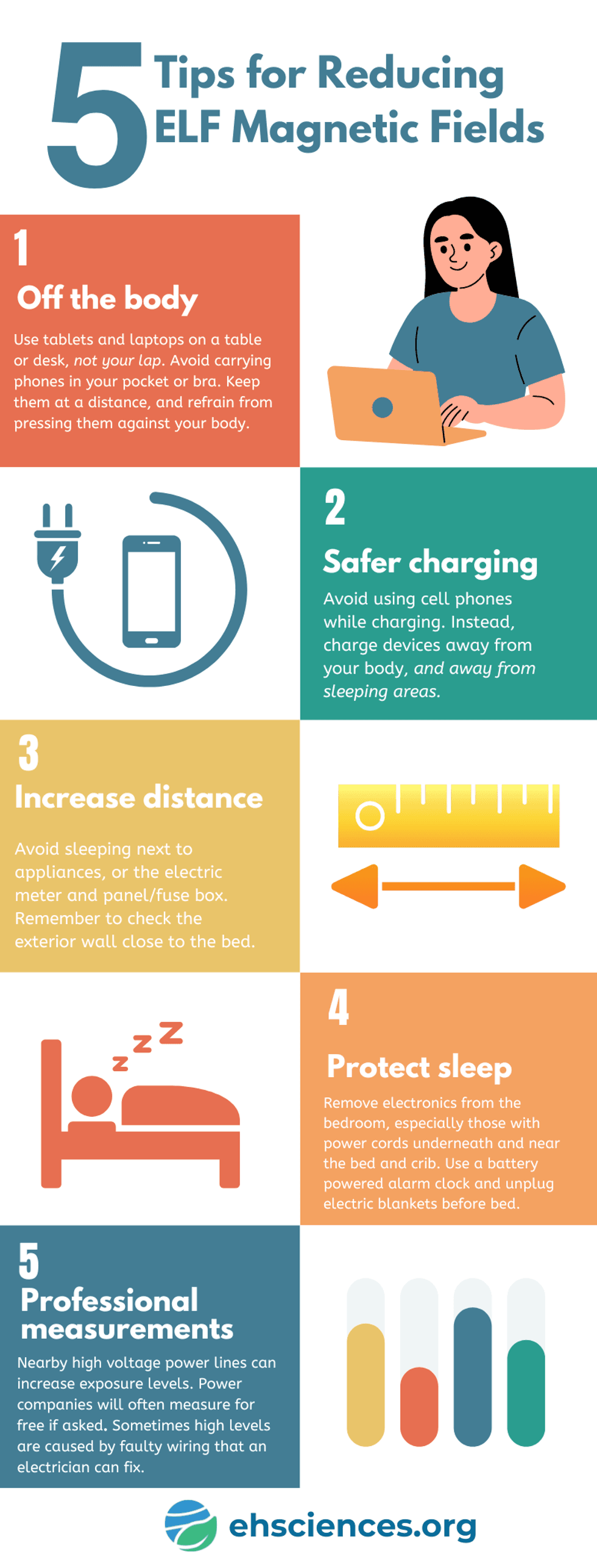
On an individual level, there are simple steps you can take to reduce your daily exposures to ELF and other forms of electromagnetic radiation in your home, including:
- Use tablets and laptops on tables, not on laps
- Relocate beds away from electrical panels
- Charge phones and devices outside of the bedroom, not by the bed
- Do not use a cell phone while it's charging
- Unplug water beds and electric blankets before you get in bed
You can also measure EMF levels in your home with a basic milligauss meter in order to better understand your exposure, or by contacting your local electric company for measurements.
Share this information: Talk to your community and elected officials. Download our factsheets on science and policy here. Share expert medical and scientific recommendations. Join our Wireless and EMF program newsletter to stay updated.
Related EHN coverage:
- Electromagnetic radiation from power lines linked to a higher risk of central nervous system tumors in children
- Is Wi-Fi linked to Alzheimer’s? Study urges further research
- Wireless radiation levels in the home linked to neurodevelopmental delays in children
More resources:
- The Health Effects of EMF, ELF and Magnetic Fields from Power Lines and Electricity
- Data Centers Increase Electromagnetic Fields (EMF) Exposure
 Visit EHSciences.org for more resources and fact sheets