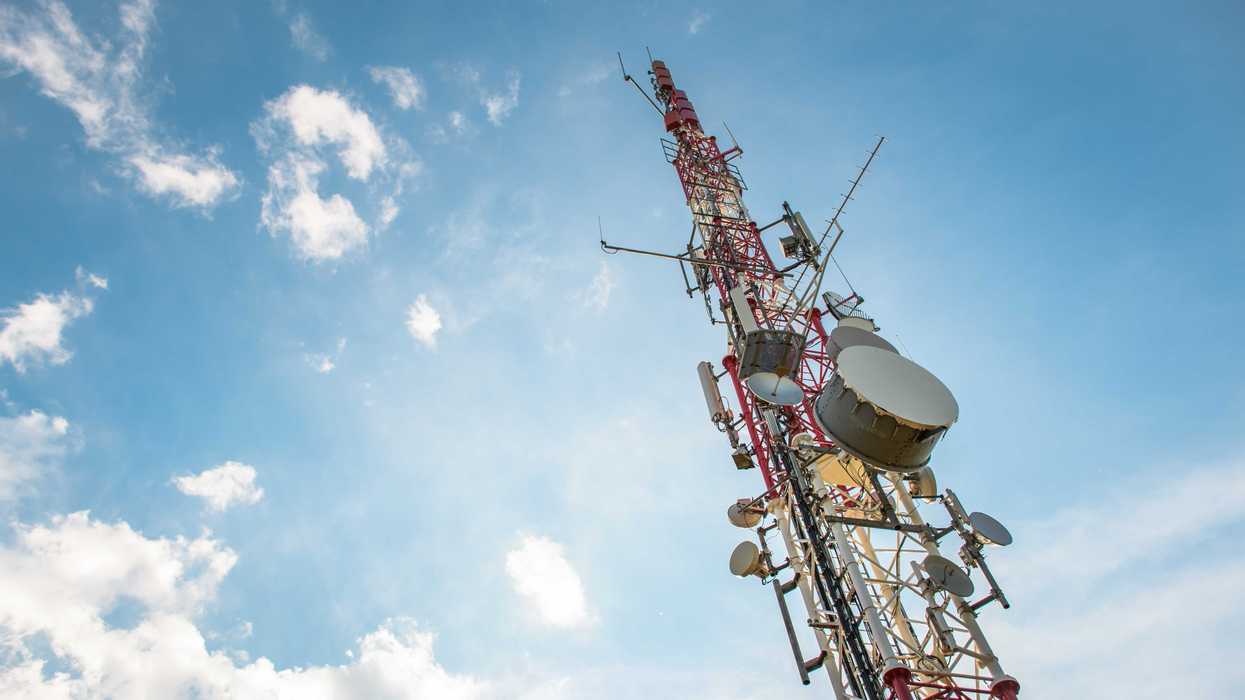

A 2022 review published by Alfonso Balmori in Environmental Research examined studies from 20 countries on people living near cell towers and cell antenna sites and found that the majority reported health effects such as cancer.
In short:
- 73.6% of reviewed studies reported human health impacts associated with higher exposure to the radiofrequency (RF) radiation emitted from cell antennas near homes and schools.
- Three types of health effects were consistently identified across the studies: cancer; radiofrequency sickness (including headaches, sleep, and memory issues); and changes in biochemical parameters (such as DNA damage and changes in blood cells).
- These findings are supported by studies linking the same health impacts to other sources of RF radiation exposure, such as cell phones and wireless smart meters.
Why this matters:
Environmental RF radiation exposure is increasing due to the rapid expansion of cell towers, 5G, and now 6G networks. Since the publication of this review in 2022, newly published research has continued to link exposure to cell tower RF radiation to health impacts, including altered immune system activity and chromosomal changes.
Unlike other environmental pollutants, cell tower radiation is subject to minimal regulatory oversight in the U.S., where RF radiation exposure limits have remained unchanged since 1996 without review of more recent science. FCC limits are only designed to address the short-term effects of exposure, but do not account for the long-term, continuous exposure of cell towers. A recent analysis of the findings of increased cancers in U.S. government animal studies concluded that the human exposure limit for wireless is 200 times too high to be protective against cancer risk, and many experts recommend minimizing exposure to protect public health.
What you can do:
- Ensure your local city/county wireless ordinance has common-sense safeguards: Numerous cities and counties have implemented setback requirements to distance cell towers from homes and prohibit them at or near school grounds. In addition to the increased RF radiation exposure, cell towers also present multiple safety issues such as fire risk, hazardous materials, as well as drops in property values due to visual impact. At the municipal level, residents can advocate for stronger setbacks, transparency in tower placement decisions, and independent RF radiation monitoring.
- Ensure your school district protects children: School boards across the U.S. (as well as some entire countries) prohibit cell towers on school property. Check whether your school board has a policy regarding cell towers and support a proactive approach. EHS has a toolkit for parents on how to address cell towers at school.
Related EHN coverage:
- Study links cell tower and cell phone radiation to changes in blood cells tied to immune health
- Cell tower radiation linked to higher reports of health issues, study finds
Key resources:
- Action Toolkit: Cell Towers at Schools - A Parent’s Guide to Safety and Transparency
- Fact Sheet: Why Cell Towers Do Not Belong At Schools
- Factsheet: Scientific Research on Cell Towers
- Webinar: FCC and Congressional Proposals To Strip Local Control Over Cell Towers ›
- New study finds chromosomal changes in residents living near cell phone towers ›
- Webinar: Cell Tower Risks 101 - What You Need To Know To Protect Your Community ›
- U.S. cell tower & cell phone radiation policy fails public health, new paper finds ›
- European Union study finds children absorb more wireless radiation than adults across range of 5G frequencies - EHN ›