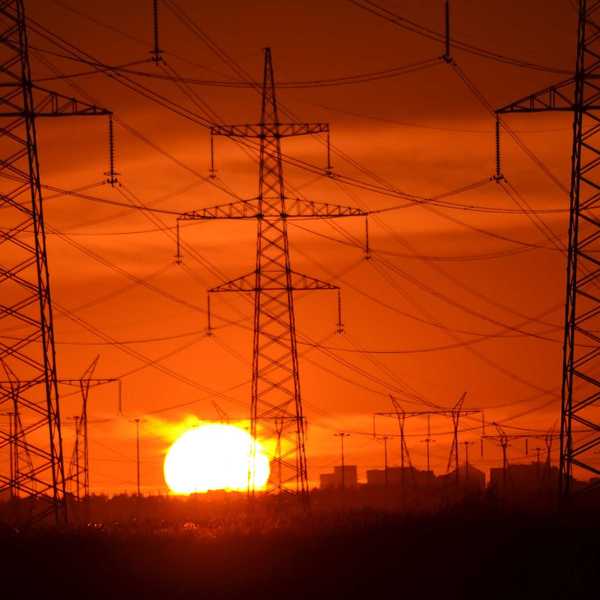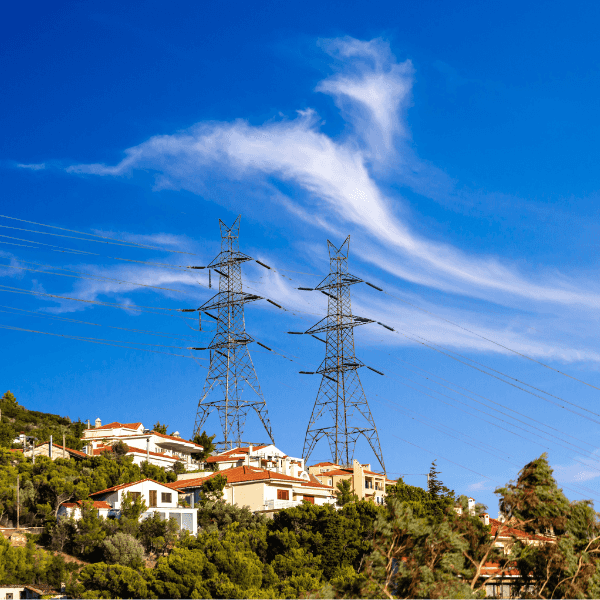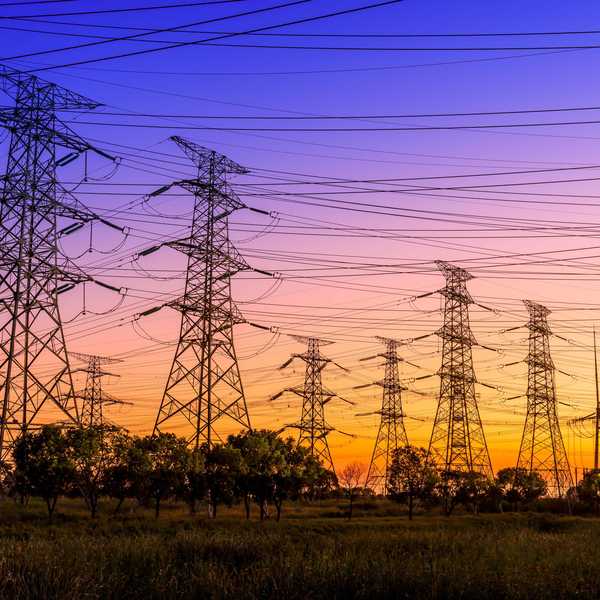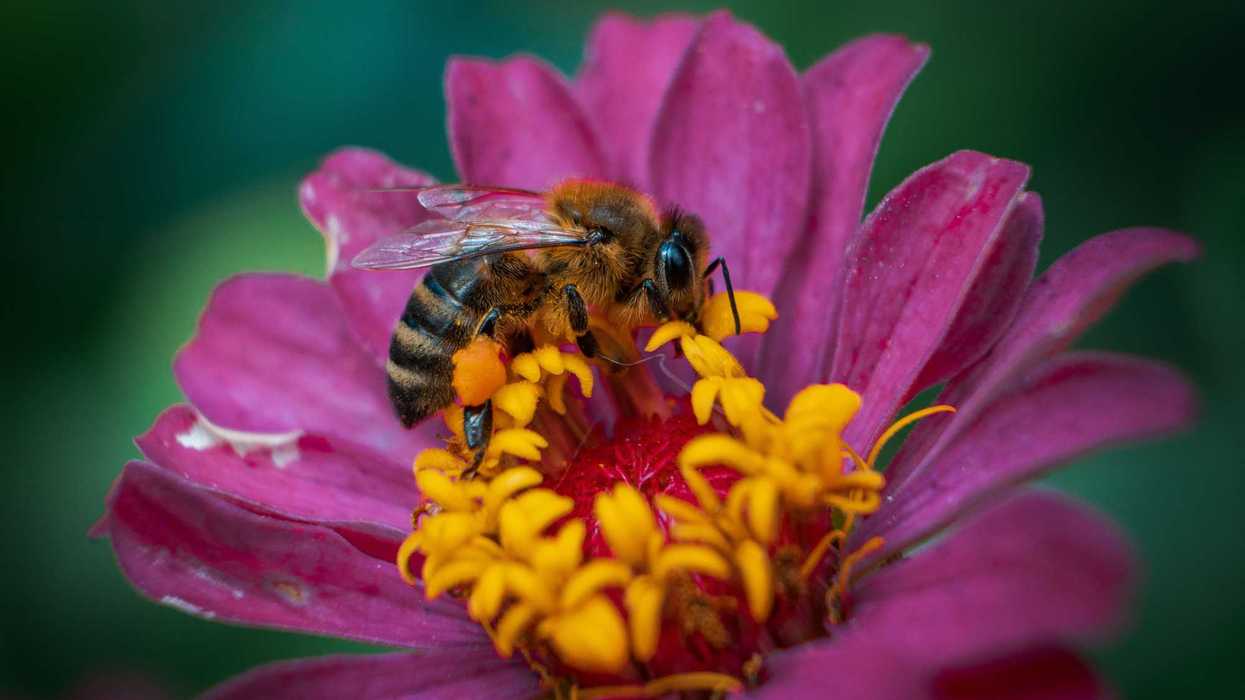

A 2023 study published in Science Advances by Molina-Montenegro et al. found that exposure to electromagnetic field (EMF) radiation emitted by high-voltage transmission power line towers induced significant physiological stress in honeybees and negatively impacted their pollination behavior.
In short:
- EMF-exposed honeybees showed changes in the expression of genes related to navigation, foraging, learning, and antioxidant activity, indicating substantial physiological stress.
- Honeybees exposed to higher levels of EMF visited fewer flowers, which in turn reduced seed production and lowered local plant diversity and abundance.
- These effects were only observed when the electric power transmission towers were actively emitting EMF.
Key quote:
“Our study provides strong evidence of detrimental effects of EMF on honeybee’s visitation and plant reproduction and may contribute to explaining, at least in part, the global pollination crisis that risks the adequate production of many crops.”
Why this matters:
The proliferation of data centers, electrical substations, and high-voltage power lines — particularly those supporting AI data centers — has dramatically increased background levels of non-ionizing EMF in natural habitats. Studies on human exposure to non-ionizing EMF have reported associations with childhood leukemia, miscarriage, dementia and other health impacts.
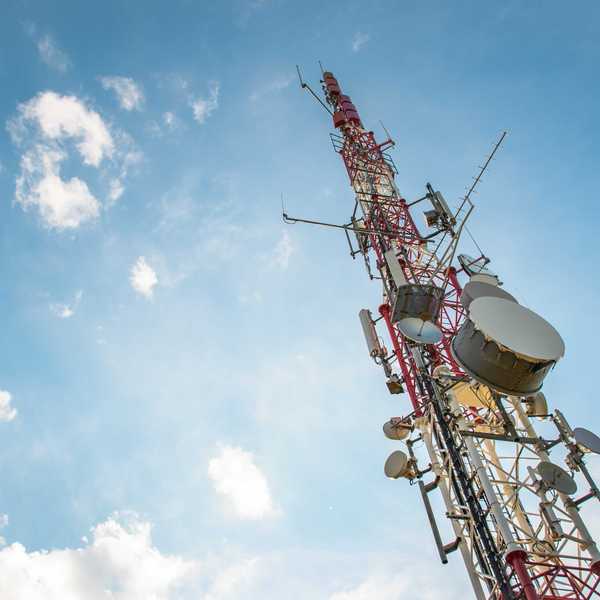
Both power line EMF and cell tower radiation are forms of non-ionizing radiation that have been reported to impact wildlife and ecosystems. However, the United States has no federal safety standards for exposure to power line EMF for either humans or wildlife, and federal agencies have not evaluated the science on impacts on pollinators. A 2021 federal court order mandated the US government review the science on cell tower radiation's environmental impacts, but no action has been taken in response.
A 2023 review of research on EMF and insects by Thill et al. (2023) documented decreased reproductive capacity, altered behavior, oxidative stress, DNA damage, and impaired development. A review of over 1,200 studies examining EMF impacts to wildlife by Levitt et al. (2021) details how bees may be reacting negatively to EMF “through muti-sensory mechanisms to numerous sources of anthropogenic multi-frequency [EMF] interference.” Numerous experts caution that EMF limits are outdated and human-centric, ignoring the growing research reporting the impacts of EMF exposure on wildlife health, especially for pollinators.
What You Can Do:
- Educate policymakers on the need to protect pollinators and ecosystems.
- Limit unnecessary expansion of high-voltage electrical infrastructure in sensitive habitats.
- Support pollinator-friendly practices such as planting native flowers and reducing pesticide use.
Related EHN coverage:
- U.S. regulations fail to protect wildlife from cell tower and wireless radiation, policy review finds
- New study shows insects highly absorb 5G frequencies
More resources:
- Impacts of Electric Power Line EMF Exposure on Bees and Pollinators
- The Science on Wildlife and Wireless Radiation
- Factsheets on EMF, Cell Towers and health
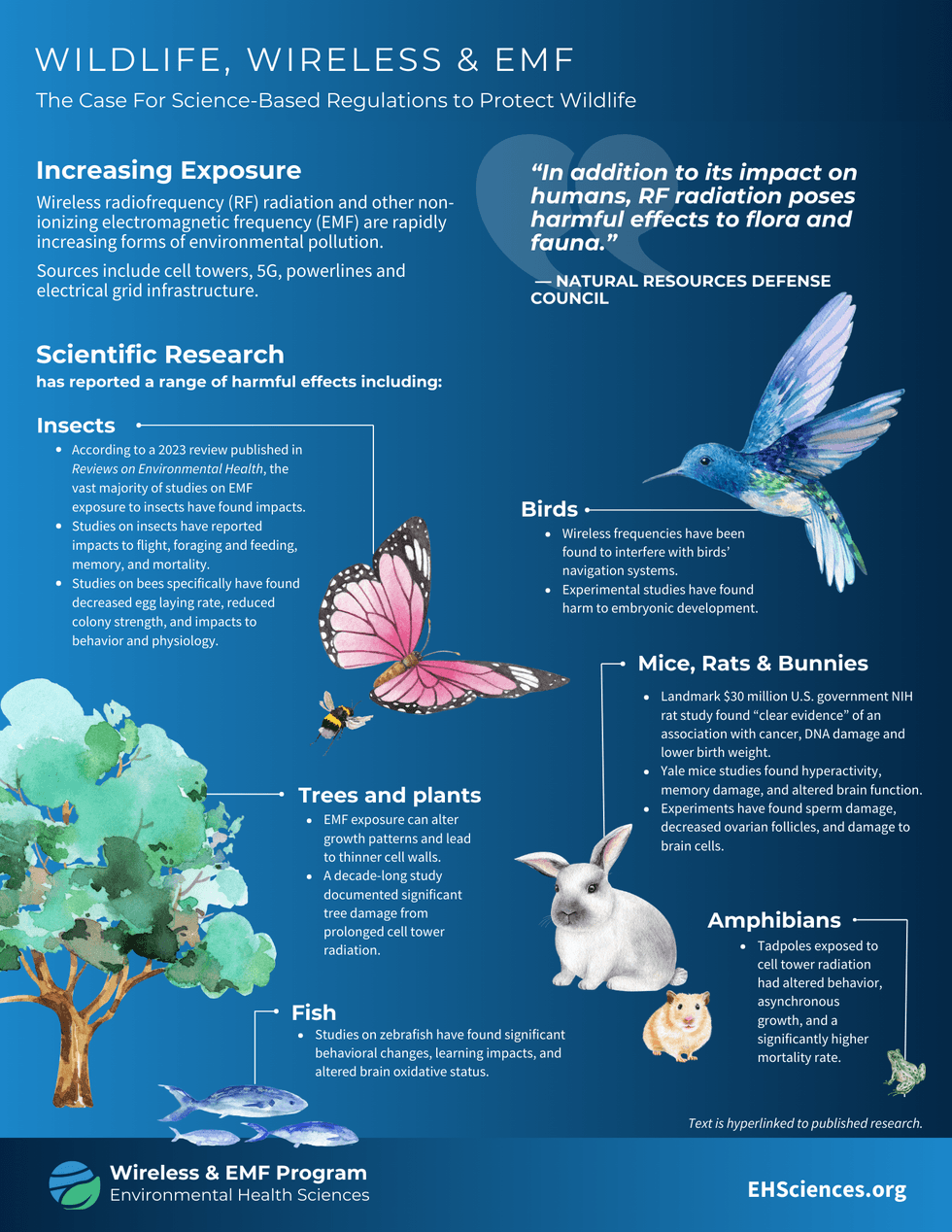 https://ehsciences.org/wp-content/uploads/2025/12/... Wildlife & Wireless Radiation Fact Sheet