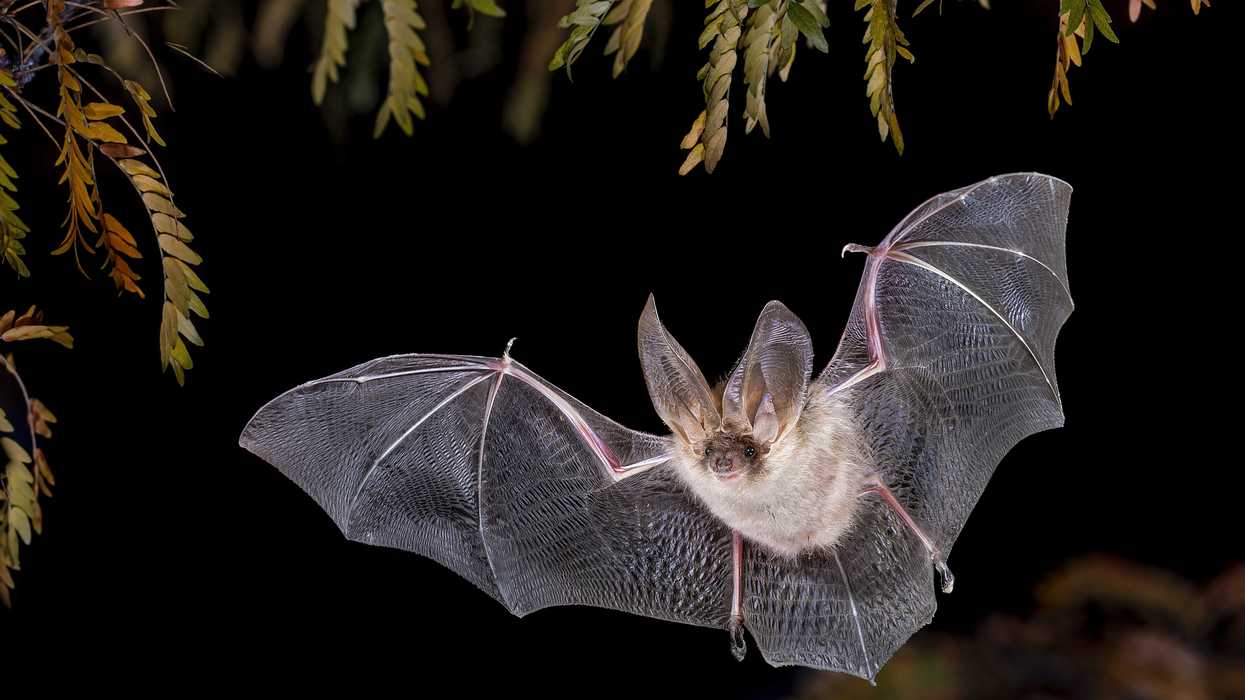

A recent study published by Lindecke et al. in Science found that brief exposures to wireless radiofrequency (RF) radiation, a type of electromagnetic field (EMF), disrupted flight navigation in bats for several hours beyond the exposure period.
In short:
- Bats exposed to RF radiation consistently flew in random directions, rather than the normal directional behavior of the nonexposed controls.
- This disorientation was reproducible and occurred regardless of the timing of exposure, lasting for several hours after exposure ended.
- The authors state artificial EMF may act as “a stressor for wildlife” as effects occurred at levels within the human safety thresholds for RF radiation exposure set by the International Commission for Non-Ionizing Radiation Protection (ICNIRP).
This study exposed bats to wireless RF frequencies at 0.01–300 MHz, which is the range of frequencies in sources such as AM radio, shortwave radio, amateur radio, marine and aviation communications. These are wireless communication frequencies that fall within spectrum bands regulated by the FCC in the United States and under IEEE and ICNIRP RF limits for human exposure..
Key quote:
“The widely anticipated increase of electromagnetic pollution as a consequence of urbanization trends and global proliferation of wireless technology may further add to the effects of anthropogenic climate change and land conversion by disrupting migratory movements of wildlife.”
Why this matters:
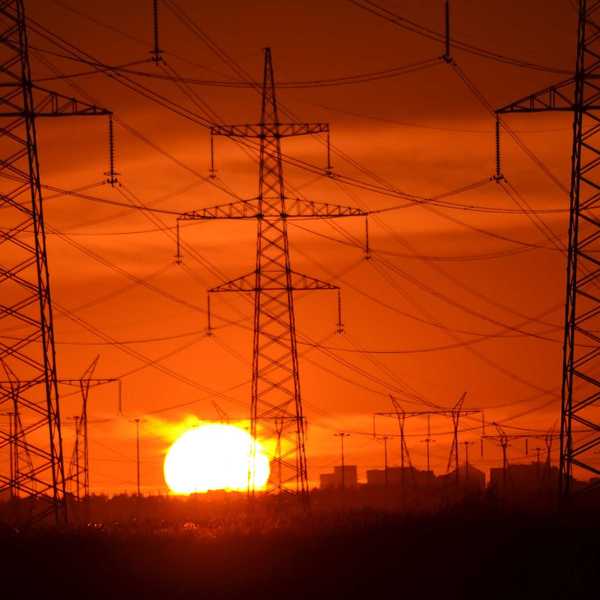
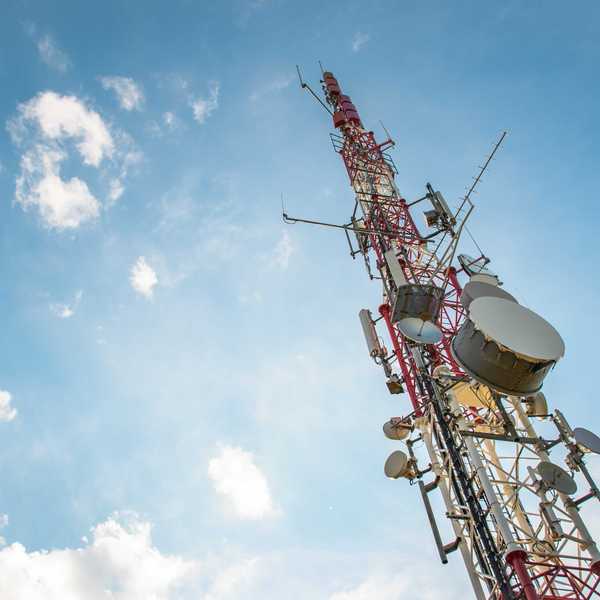
This study adds to a growing body of research reporting that non-ionizing EMF - which is emitted by power lines, electrical substation, cell towers, and other forms of wireless infrastructure - can impact wildlife.
Numerous studies have reported that EMFs can disrupt spatial orientation in several species of mammals, birds, and invertebrates as detailed in a commentary accompanying this study, written by wildlife biologist Alfonzo Balmori, who has been publishing research on wildlife impacts for decades. Balmori states that “electromagnetic noise has other effects on wildlife beyond perturbing animal orientation. Even low-intensity human-generated EMFs can affect internal processes such as metabolism, neurotransmission, and gene expression and disrupt the locomotor and foraging behavior, reproduction, and survival of species from multiple taxonomic groups.”
However, while wildlife exposures to cell tower RF radiation and other forms of artificial EMFs are rapidly increasing due to the massive expansion of wireless networks and the electrical infrastructure required to support AI and data centers, there are currently no regulations in place anywhere in the world specifically intended to protect animals or ecosystems from chronic EMF exposure. Numerous experts caution that EMF limits are outdated and focused solely on humans, failing to account for the growing body of research on wildlife impacts and leaving animals and ecosystems largely unprotected.
Related EHN coverage:
- Study finds power line EMF impacts honeybees, pollination, and plant ecosystems
- U.S. regulations fail to protect wildlife from cell tower and wireless radiation, scientific review finds
- Major WHO-backed study: high certainty that wireless radiation causes cancer in animals
More resources:
- The Science on Wildlife and Wireless Radiation
- Impacts of Electric Power Line EMF Exposure on Bees and Pollinators
- Factsheets on EMF, Cell Towers Wildlife and Health
- How Cell Towers, 5G, and Small Cells Affect Trees and Plants: Scientific Insights
- WHO-backed reviews on wireless health effects fail to assure safety, scientists warn ›
- 4G wireless radiation may impact thyroid function, study calls for more research ›
- New study shows insects highly absorb 5G frequencies ›
- Major WHO-backed study: high certainty that wireless radiation causes cancer in animals ›