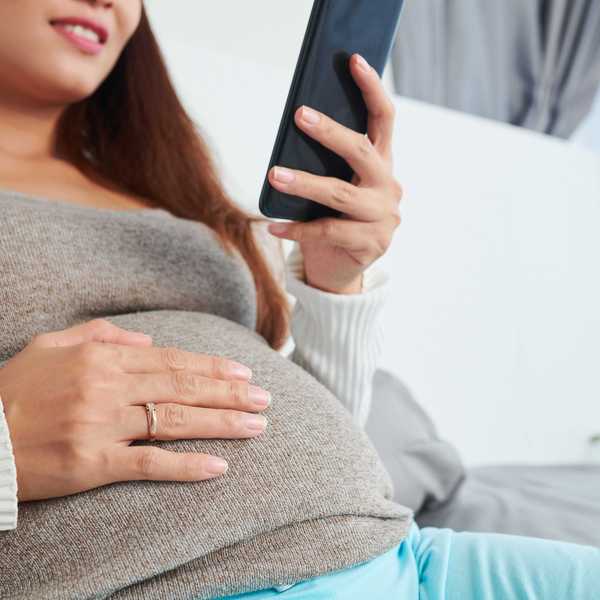

A new systematic review of the scientific literature on the health impacts of cell phone use during pregnancy conducted by researchers at Columbia, Johns Hopkins, and Cornell and published by the Journal of Exposure Science and Environmental Epidemiology found evidence suggesting potential risks such as fetal cardiovascular abnormalities and preterm birth.
Study findings:
- Most of the reviewed studies linked prolonged or intense cell phone use with adverse health impacts. The most consistent associations were with preterm birth and changes in fetal and newborn heart function.
- Oxidative stress and biochemical changes induced by call phone radiation were identified as potential mechanisms driving negative health impacts.
- While these findings were not consistent across all studies, the authors point to differences in study design and exposure measurements and they recommend larger, well-designed cohort studies to clarify the risks of cell phone radiation during pregnancy.
Key quote:
“The emerging evidence may support precautionary measures to reduce mobile phone usage during pregnancy, particularly among high-risk pregnant women. Simple interventions, such as using speakerphones or wired headsets, keeping phones away from the abdomen, and enabling airplane mode during inactivity, may be suggested during biologically sensitive periods.”
Why this matters:
Pregnancy is a critical period of vulnerability. Numerous scientists are calling for governments to strengthen cell phone radiation regulations and to reduce public exposure, especially during pregnancy and childhood. U.S. government limits for human exposure to cell phone radiation are based solely on acute effects of overheating but not for health effects from chronic long term exposure.
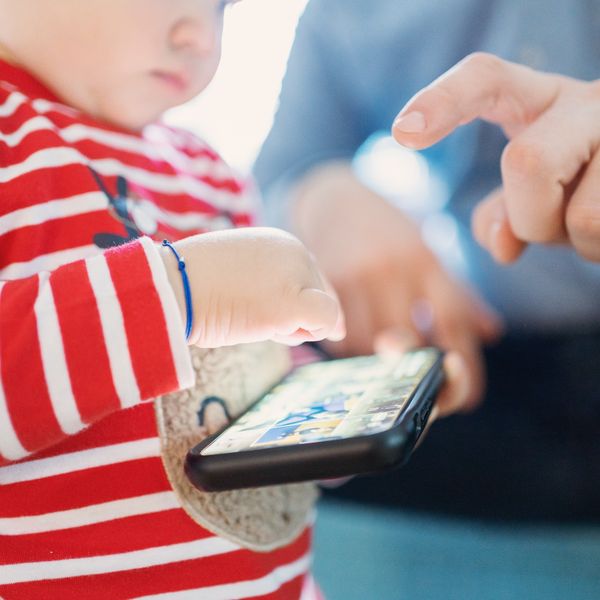
The American Academy of Pediatrics has repeatedly called for an update to wireless exposure regulations, highlighting how children absorb proportionately higher RF radiation into their brains and bodies during sensitive stages of development. The International Commission on the Biological Effects of Electromagnetic Fields (ICBE-EMF) recently issued a position statement reporting how studies investigating prenatal exposure have reported increased miscarriages, impacts to the brain,decreased memory and cognition, changes in behavior,and altered growth and development.
Numerous countries have issued straightforward advice on why and how to reduce cell phone radiation. The French government specifically informs cell phone users to “Keep radio equipment away from the belly of pregnant women.”
Here are ways you can reduce your exposure to cell phone and wireless radiation while pregnant:
- Keep cell phones, Wi-Fi laptops and other electronics away from your abdomen.
- Turn off your phone when carrying it on your body.
- Use speakerphone and limit cell phone and other wireless device use.
- Prefer corded phones and wired Ethernet as they do not create radiation exposure.
- Set your laptop on a desk to keep it off your lap.
- Avoid wireless wearables such as smartwatches and Bluetooth headsets.
- Avoid using your cell phone in the car.
Related EHN coverage:
- Wireless radiation levels in the home linked to neurodevelopmental delays in children
- Wireless radiation exposure during pregnancy leads to brain damage in rats, study finds
More resources:
- Science on Children, Cell Phone Radiation and Health Risk
- How to Reduce Exposure to Cell Phone Radiation
- Factsheet: Doctors and Governments on Cell Phone Radiation
- ICBE-EMF Position Statement on Children and Non-ionizing EMF
Source:
- Science on the health effects of wireless radiation ›
- Majority of studies report human health impacts from cell tower radiation exposure ›
- U.S. cell tower & cell phone radiation policy fails public health, new paper finds ›
- WHO’s review on cell phone radiation and cancer cannot assure safety, renowned experts say ›