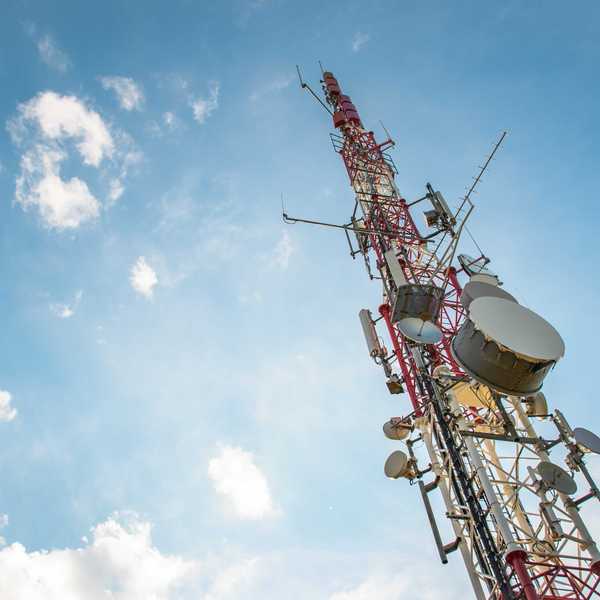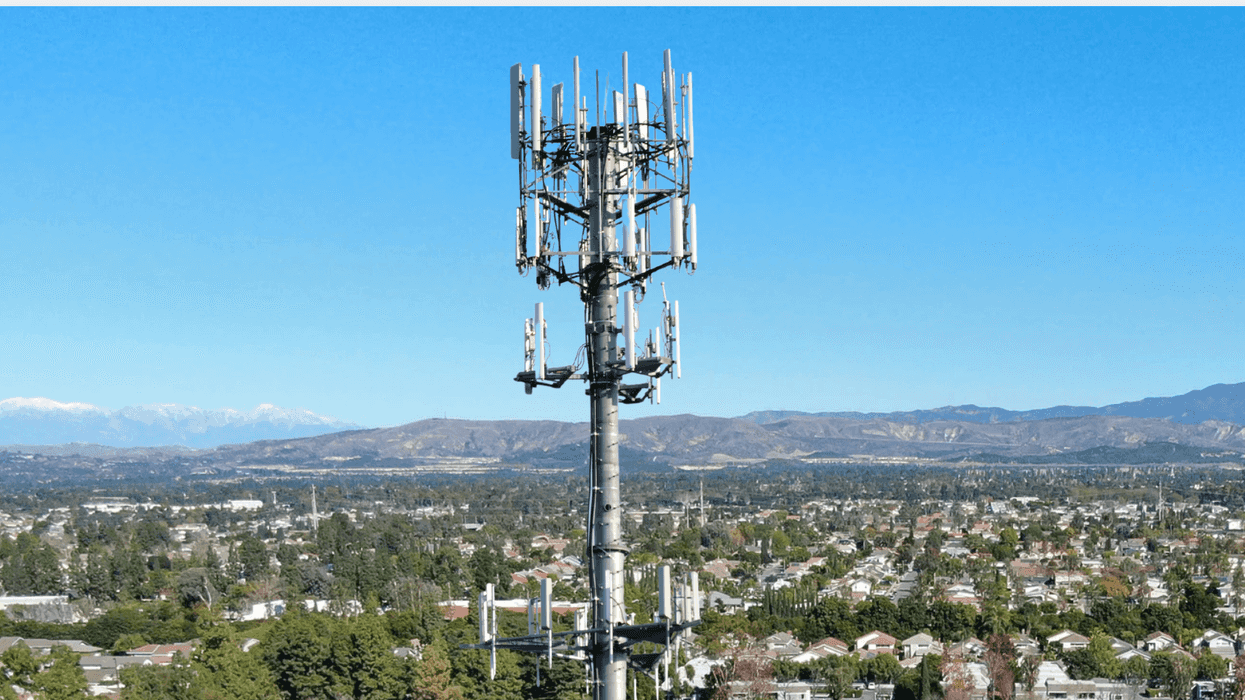

A recent study published in Electromagnetic Biology and Medicine found people living close to cell towers and wireless base station network antennas had higher radiofrequency (RF) radiation exposures, along with measurable changes in certain white blood cells, suggesting a biological stress response and altered immune activity.
In short:
- People living within 60 meters of a cell tower had higher RF radiation exposure than those living 300 meters away, with blood differences being observed even at levels 100 times lower than the federal human exposure limits.
- Higher exposure from nearby towers and heavy daily mobile phone use was associated with significant changes in specific white blood cells, particularly basophils, monocytes, and lymphocytes.
- Nearly a quarter of highly exposed residents and more than half of those using phones four to six hours daily had white blood cell counts above clinical reference limits.
- Exposure to radiofrequency (RF) radiation emitted by cell towers was linked to an increase in monocyte levels comparable to the impacts of smoking.
- Residents under 30 were more likely to have counts outside normal clinical ranges for certain white blood cells (basophils for those near cell towers and lymphocytes with heavier cell phone use).
Key quote:
“These results should not be disregarded and must be considered as an important public health concern, in particular, for the vast numbers of residents living in close proximity to [cell towers] all over the world, and those using their mobile phones for many hours a day.”
Why this matters:
RF radiation exposure is increasing due to the rapid expansion of cell towers, 5G, and now 6G networks. This study adds to growing scientific evidence on health effects linked to cell towers. A 2022 review of the scientific literature on health effects to people living near cell towers found the majority of studies reported impacts such as radiofrequency sickness, cancer, and biochemical changes. Unlike other environmental pollutants, cell tower radiation is subject to minimal regulatory oversight in the U.S. where RF radiation exposure limits have remained without proper review since 1996 and — like ICNIRP limits — are only designed to address the short-term effects of exposure, but do not account for the long-term, continuous exposure of cell towers.
What you can do:
Numerous cities and counties have implemented setback requirements to distance cell towers from homes and prohibit them at or near school grounds. In addition to the increased RF radiation exposure, cell towers can present multiple safety issues such as fire risk, hazardous materials, as well as drops in property values due to visual impact alone. Find out how the application process for new cell towers works in your community and ensure your local city/county ordinance requires meaningful community input and common-sense safeguards. At the municipal level, residents can advocate for stronger setbacks, transparency in tower placement decisions, and independent RF radiation monitoring. You can also check whether your school board has a policy regarding cell towers and advocate for child protective policies.
Subscribe to the Environmental Health Sciences Wireless and EMF Program to stay updated with the latest science, policy, and news.
Related EHS coverage:
- Cell tower radiation linked to higher reports of health issues, study finds
- U.S. cell tower & cell phone radiation policy fails public health, new paper finds
More resources:
- Are Cell Towers Safe? The science and policy issues of cell towers.
- Take Action: Tell Lawmakers To Ban Cell Towers Near Schools
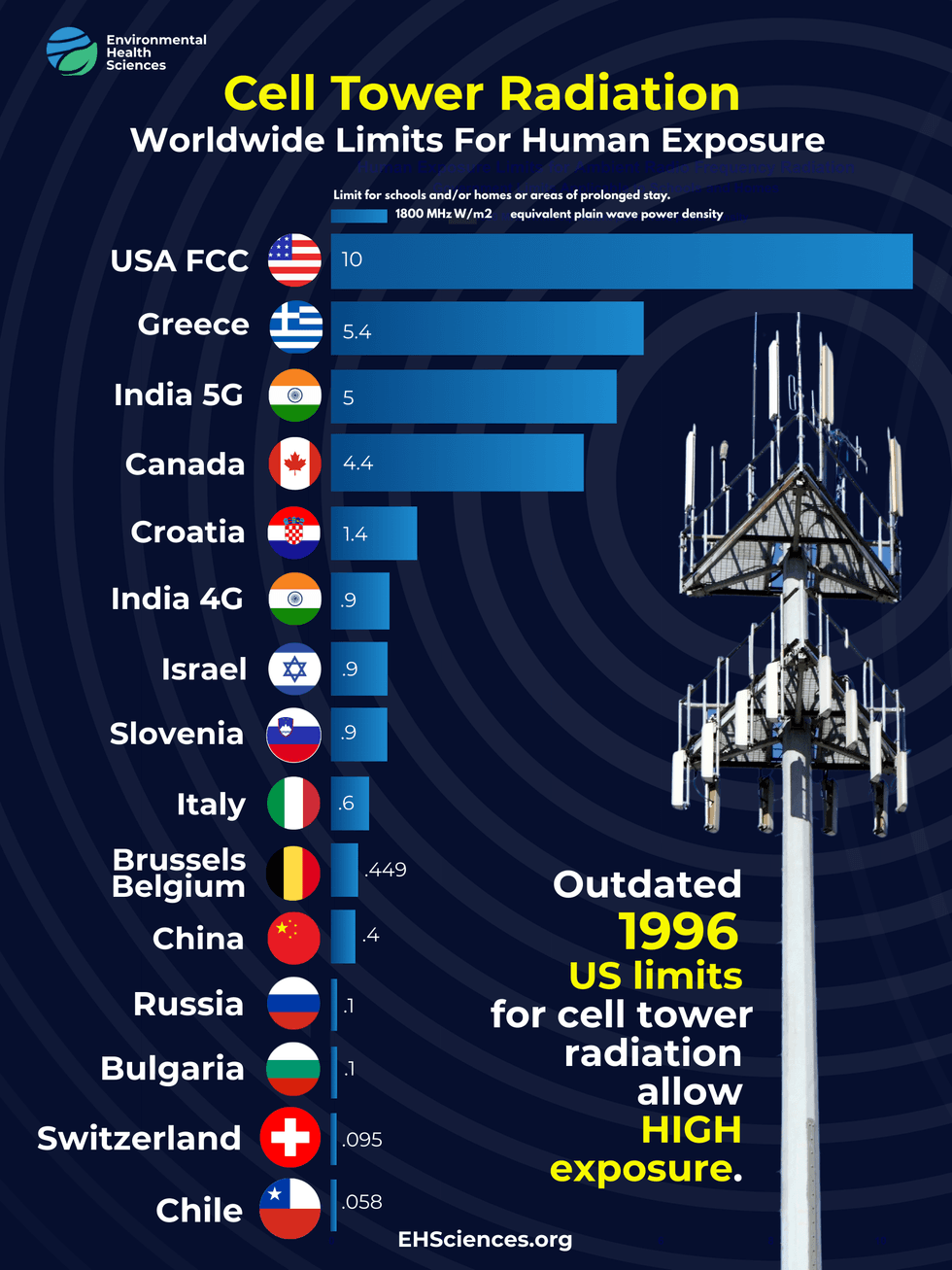 Environmental Health Sciences - Cell Tower Radiation Exposure Limits
- Science on the health effects of wireless radiation ›
- New study finds chromosomal changes in residents living near cell phone towers ›
- WHO’s review on cell phone radiation and cancer cannot assure safety, renowned experts say ›
- Cell phone radiation altered brain development in rodents, study finds ›
- New York City exposure to wireless radiation increased over 100-fold in 50 years ›