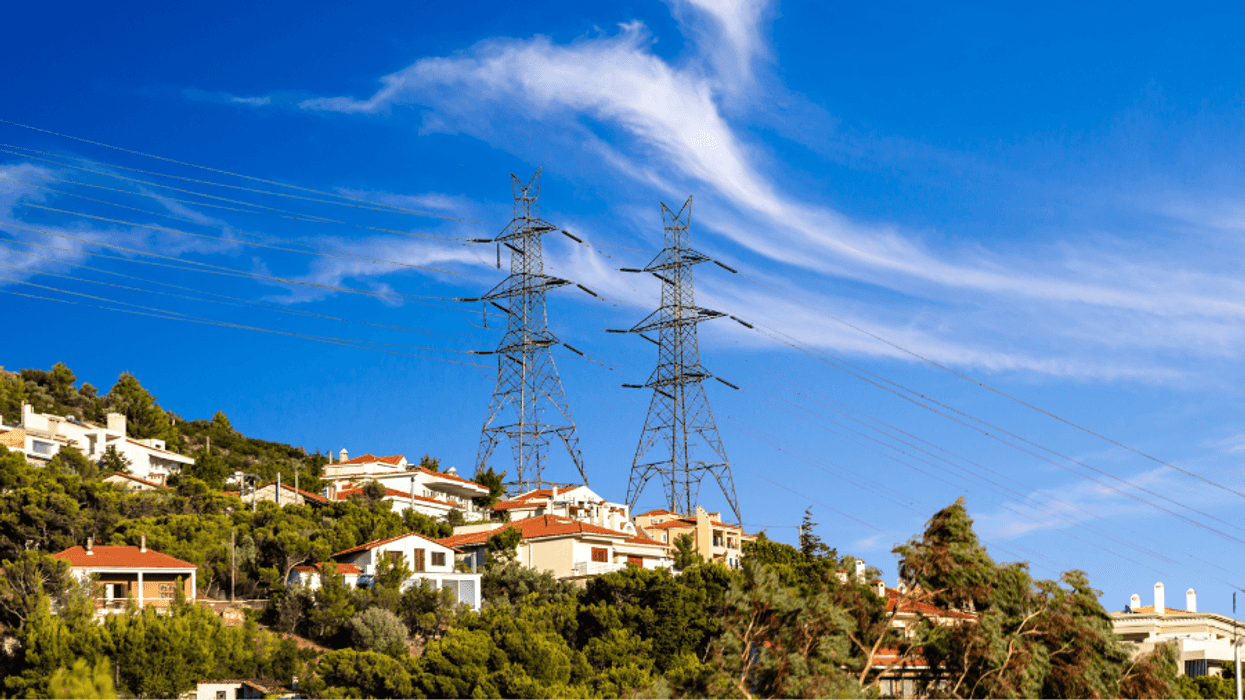
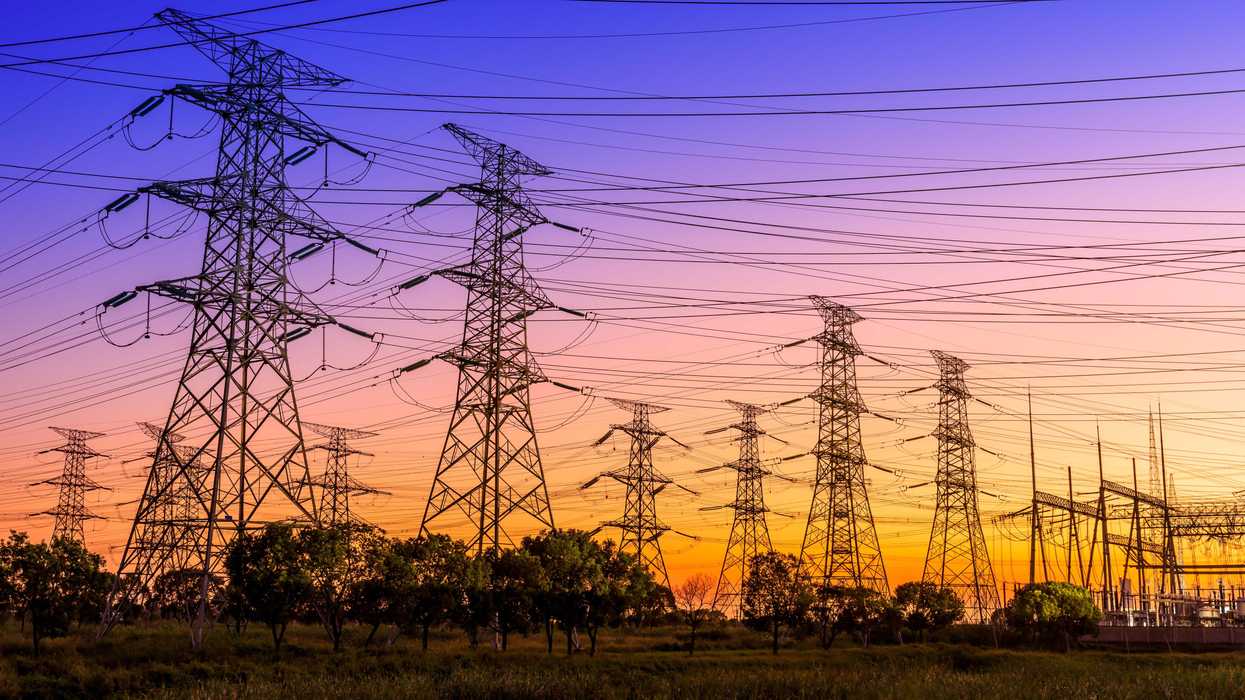
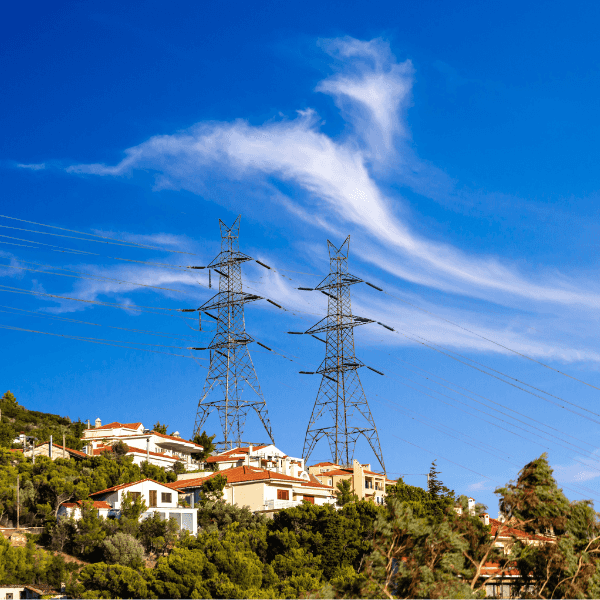
New high-voltage transmission lines and substations are being proposed near homes and schools to power energy-hungry data centers, bringing substantial electromagnetic field (EMF) radiation into local communities. EMF from electrical grid equipment is an environmental pollutant.
Although power line frequency EMF is non-ionizing radiation, substantial peer-reviewed published research links chronic daily exposure to serious health risks, including elevated risks of childhood leukemia, cancer, oxidative stress, and neurological disorders such as Alzheimer’s. Impacts to birds, bees, and plants are also reported. 500 kV and 765 kV lines pose serious public safety risks. However, the U.S lacks safety standards for human exposure. Public health policies and protective action are needed.
This webpage has links to Environmental Health Science’s top resources on the health risks of high-voltage power lines, impacts to wildlife, and what the public can do.
Science on the Health Risk of EMF From Power Lines and Electric Substations
Childhood leukemia, Alzheimer’s, miscarriage, and what scientists call cellular stress.
Impacts of Power Line EMF Exposure on Bees and Pollinators
Impacts to flight, navigation, pollination, foraging, reproduction, and overall health.
What Policymakers and the Public Can Do When a Transmission Line or Substation Is Proposed
Questions to ask power companies about EMF and safety issues, and examples of resolutions and actions in other communities.
Science and Policy Briefing on High Voltage Transmission Lines and Electric Substations
A comprehensive downloadable report to submit to official proceedings and share with your community, compiling research studies as well as a state and federal analysis of regulatory gaps, along with key policy recommendations for policymakers.